
What Causes Endometriosis? Advice From the Best Gynecologist in Raipur

For years, countless women have quietly accepted painful periods as “normal.” Missing college classes because of cramps, cancelling family outings, struggling through office meetings with unbearable pelvic pain — many simply learn to tolerate it. But what if that pain is trying to tell you something important?
Endometriosis is one of the most misunderstood women’s health conditions today. It affects millions of women across the world, yet many remain undiagnosed for years. In India especially, conversations around menstrual health are often delayed, ignored, or brushed aside. By the time many women finally meet the Best Gynecologist in Raipur, they’ve already spent years believing their pain was “just part of being a woman.”
The truth is — severe pain is not normal.
Understanding what causes endometriosis, recognizing the symptoms early, and seeking timely treatment can completely change a woman’s quality of life. Whether you’re a teenager dealing with painful periods or a woman planning pregnancy, knowing more about this condition matters deeply.
What Exactly Is Endometriosis?
Endometriosis happens when tissue similar to the lining inside the uterus begins growing outside the uterus. This tissue can appear on the ovaries, fallopian tubes, pelvic lining, bladder, or even the intestines.
Each month, just like the uterine lining, this tissue reacts to hormonal changes. It thickens, breaks down, and bleeds. But unlike regular menstrual blood, it has nowhere to go. Over time, this can lead to:
- Severe pelvic pain
- Inflammation
- Scar tissue
- Adhesions
- Fertility issues
- Pain during periods or intercourse
One young woman from Raipur once described her periods as feeling “like someone twisting a knife inside her stomach.” She had visited multiple clinics over the years and kept hearing the same sentence: “Periods are painful for everyone.” It wasn’t until she consulted the Best Doctor for Women in Raipur that she discovered she had moderate endometriosis.
Stories like these are more common than most people realize.
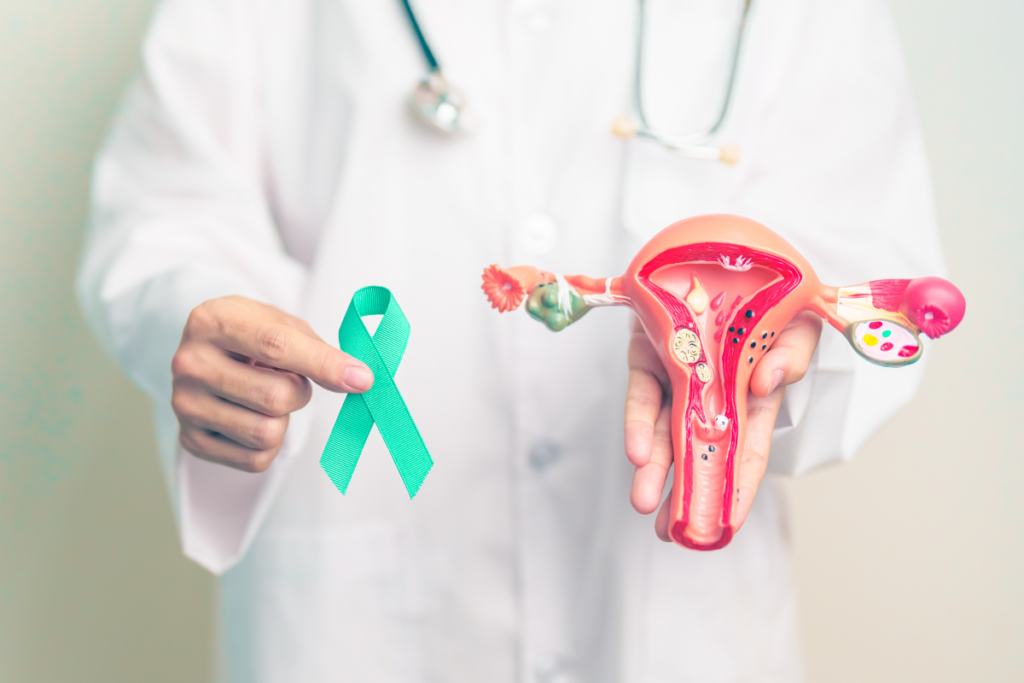
What Causes Endometriosis?
This is one of the biggest questions women ask when they visit the Best Women Hospital in Raipur. Surprisingly, doctors still don’t know one single confirmed cause. Instead, experts believe several factors may contribute to the condition.
Let’s understand the most accepted explanations.
1. Retrograde Menstruation
This is one of the most widely discussed theories.
Normally, menstrual blood exits the body through the vagina. In some women, however, a portion of this blood flows backward through the fallopian tubes into the pelvic cavity. The cells can then attach themselves to nearby organs and begin growing.
Not every woman with retrograde menstruation develops endometriosis, which is why specialists believe other factors are also involved.
2. Genetics May Play a Role
If your mother, sister, or close female relative has endometriosis, your chances of developing it may increase.
Doctors have noticed strong family patterns over the years. In fact, many women only realize their symptoms are unusual after talking openly with relatives who had similar experiences.
This is why the Best Gynecologist in Raipur often asks detailed questions about family history during consultations.
3. Hormonal Imbalance
Estrogen, the primary female hormone, appears to fuel endometriosis growth.
Women with hormonal imbalances may experience:
- Heavier periods
- Increased inflammation
- Faster tissue growth
- More severe symptoms
This also explains why symptoms sometimes improve after menopause, when estrogen levels naturally decline.
4. Surgical Scars
In some cases, endometrial-like tissue may attach to surgical scars after procedures like:
- Cesarean section
- Hysterectomy
- Abdominal surgeries
Though less common, this can lead to painful scar-related endometriosis.
5. Environmental and Lifestyle Factors
While lifestyle alone does not directly cause endometriosis, certain environmental factors may contribute to inflammation and hormonal disruption.
These may include:
- Chronic stress
- Poor sleep
- High inflammatory diets
- Lack of physical activity
- Exposure to certain toxins or chemicals
Doctors today often recommend a more holistic approach that combines medical treatment with lifestyle changes.
Common Symptoms Women Should Never Ignore
One of the biggest challenges with endometriosis is that symptoms vary dramatically from person to person.
Some women experience severe pain. Others may have mild discomfort but struggle with fertility.
Here are common warning signs:
Severe Period Pain
Painful cramps that interfere with daily life are not normal.
If painkillers barely help, or if you regularly miss work or school because of periods, it’s time to consult the Best Doctor for Women in Raipur.
Heavy Bleeding
Women with endometriosis often report:
- Very heavy periods
- Long menstrual cycles
- Bleeding between periods
Pelvic Pain Beyond Periods
Pain may continue even after periods end.
Some women experience:
- Lower back pain
- Hip pain
- Chronic pelvic discomfort
Pain During Intercourse
This symptom is frequently ignored because many women feel uncomfortable discussing it openly. However, it is one of the most common signs doctors look for.
Digestive Issues
Endometriosis can sometimes affect the bowel or nearby organs, leading to:
- Bloating
- Constipation
- Diarrhea
- Pain during bowel movements
Many women initially mistake these symptoms for gastric problems.
Difficulty Getting Pregnant
Around 30–50% of women with endometriosis may face fertility challenges.
This is why early diagnosis becomes extremely important.
Why Is Endometriosis Often Diagnosed Late?
Unfortunately, many women spend years without answers.
Some are told:
- “It’s just normal cramps.”
- “You’re overthinking.”
- “Pain after marriage will improve.”
This normalization of women’s pain delays treatment.
Another reason is that symptoms overlap with other conditions like:
- PCOS
- IBS
- Urinary infections
- Ovarian cysts
A skilled consultation with the Best Gynecologist in Raipur can make a major difference in identifying the condition early.
How Doctors Diagnose Endometriosis
Diagnosis usually involves multiple steps.
Medical History
Doctors carefully discuss:
- Menstrual patterns
- Pain severity
- Family history
- Fertility concerns
Pelvic Examination
A physical examination may reveal tenderness or abnormalities.
Ultrasound
While smaller lesions may not always appear, ultrasounds can help identify ovarian cysts linked to endometriosis.
MRI
In more advanced cases, MRI scans may provide clearer imaging.
Laparoscopy
This is considered the gold standard for diagnosis.
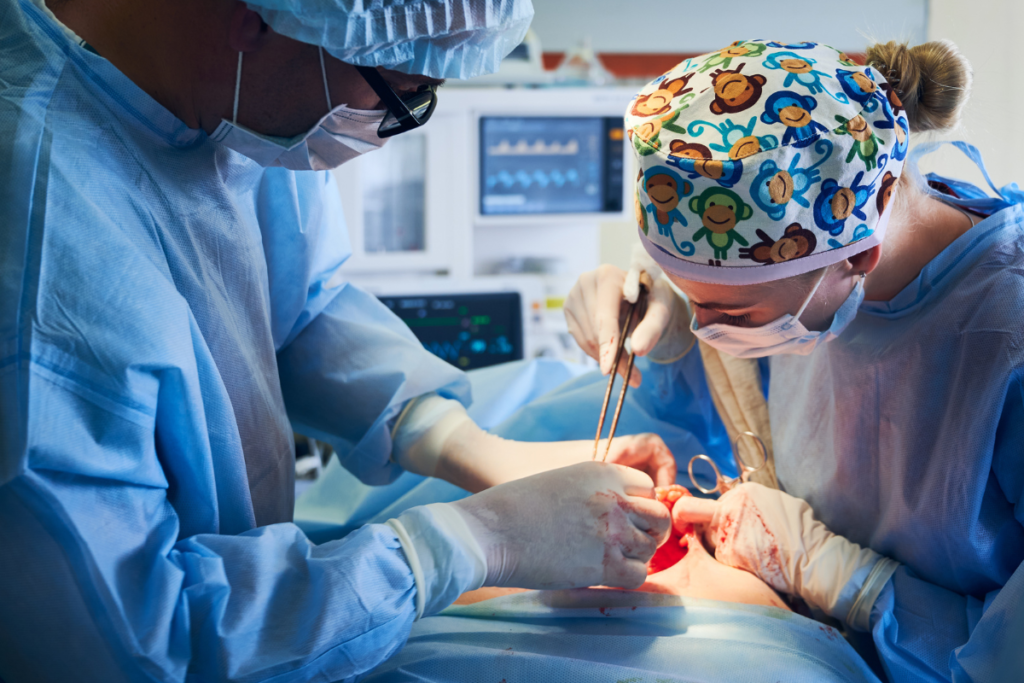
A small camera is inserted through a tiny incision to directly view endometrial tissue inside the pelvis.
Many women feel nervous hearing the word “surgery,” but modern laparoscopic procedures are minimally invasive and recovery is usually much faster than traditional surgery.
Can Endometriosis Be Cured?
Currently, there is no permanent cure. However, symptoms can be managed very effectively with proper treatment.
Many women lead healthy, active, and pain-free lives after receiving the right care.
Treatment depends on:
- Age
- Severity
- Symptoms
- Pregnancy plans
- Overall health
Treatment Options for Endometriosis
Pain Management
Doctors may prescribe medications to reduce inflammation and pain.
Hormonal Therapy
Hormonal treatments can help slow tissue growth and reduce symptoms.
These may include:
- Birth control pills
- Hormone injections
- Progesterone therapy
Laparoscopic Surgery
In moderate or severe cases, surgery may remove abnormal tissue and improve fertility outcomes.
Women who consult the Best Women Hospital in Raipur often benefit from advanced laparoscopic treatment options that minimize recovery time.
Fertility Treatment
For women trying to conceive, fertility-focused treatment plans may be recommended.
Early intervention can significantly improve pregnancy chances.
Lifestyle Changes That Can Help
Medical treatment works best when combined with supportive lifestyle habits.
Anti-Inflammatory Diet
Many women report feeling better after reducing:
- Processed foods
- Excess sugar
- Fried items
Adding more:
- Fruits
- Vegetables
- Omega-3-rich foods
- Whole grains
can help reduce inflammation.
Regular Exercise
Movement improves blood circulation and may help reduce pelvic pain.
Even light activities like walking or yoga can make a difference.
Stress Management
Chronic stress can worsen hormonal imbalance and inflammation.
Activities like:
- Meditation
- Breathing exercises
- Journaling
- Therapy
can support emotional wellbeing.
The Emotional Side of Endometriosis
What many people don’t see is the emotional exhaustion this condition brings.
Imagine waking up every month already afraid of the pain that’s coming.
Some women struggle silently at work. Others feel misunderstood by family members who think they are “overreacting.” Fertility concerns can also deeply affect mental health and relationships.
Compassionate care matters just as much as medical treatment.
That’s why finding the Best Doctor for Women in Raipur is not only about expertise — it’s about feeling heard, respected, and supported.
When Should You See a Gynecologist?
You should not delay consultation if you experience:
- Severe menstrual pain
- Pain during intercourse
- Heavy bleeding
- Difficulty conceiving
- Chronic pelvic pain
- Digestive pain during periods
Early diagnosis often prevents complications later.
Why Awareness Around Endometriosis Matters
Women’s health conversations are finally changing.
Today, more women are openly discussing:
- painful periods
- fertility issues
- hormonal health
- pelvic disorders
This awareness is helping more patients seek timely care instead of suffering silently for years.
Schools, families, and workplaces also need to normalize conversations around menstrual health so young girls learn to recognize abnormal symptoms early.
Frequently Asked Questions About Endometriosis
Is endometriosis dangerous?
It is not usually life-threatening, but untreated endometriosis can significantly affect quality of life, fertility, and emotional wellbeing.
Can endometriosis go away on its own?
Symptoms may improve after menopause, but the condition generally requires medical management.
Does pregnancy cure endometriosis?
Pregnancy may temporarily reduce symptoms in some women, but it is not considered a permanent cure.
Is surgery always necessary?
No. Many women manage symptoms successfully through medications and hormonal treatment. Surgery is recommended only when needed.
Can endometriosis cause infertility?
Yes, it can affect fertility in some women, especially if left untreated for years.
Is period pain always a sign of endometriosis?
Not always. Mild discomfort during periods can be normal, but severe pain that disrupts daily life should be evaluated.
Conclusion
For far too long, women have been taught to quietly endure pain instead of investigating it. Endometriosis reminds us why listening to the body matters.
If periods are affecting your work, relationships, mental health, or daily routine, it’s important not to ignore the signs. Timely consultation with the Best Gynecologist in Raipur can help detect the condition early and create a treatment plan that restores comfort, confidence, and long-term wellbeing.
Many women across the city trust Kamla Women Hospital for compassionate women’s healthcare, advanced gynecological treatment, and personalized support. Whether it’s menstrual concerns, fertility guidance, or laparoscopic care, seeking expert medical attention early can make a life-changing difference.
Your pain deserves answers. Your health deserves priority.
If you or someone you love is struggling with severe menstrual pain or unexplained pelvic discomfort, schedule a consultation today with the Best Doctor for Women in Raipur and take the first step toward better health, clarity, and peace of mind.
