
Ovarian Cysts Treatment in Raipur: Symptoms Women Should Never Ignore

Introduction
Women often ignore subtle signals their bodies send—especially when it comes to reproductive health. Ovarian cysts are one of the most common gynecological issues, yet most women either misinterpret the symptoms or delay a check-up until the pain becomes unbearable.
Talk to any expert working in Ovarian Cysts Treatment in Raipur, and they’ll tell you how thousands of women struggle silently because they didn’t know what to watch out for. Some assume it’s “just period pain,” others think bloating is normal, and many dismiss pelvic discomfort altogether.
This blog breaks down the symptoms, risks, and the importance of early detection—explained in a simple, truthful, and supportive tone. If you’ve been searching for reliable information or guidance from the Best Doctor for Ovarian Cysts Treatment in Raipur, you’ll find this guide extremely useful.
What Are Ovarian Cysts?
Ovarian cysts are fluid-filled sacs that develop on or inside the ovaries. Most cysts are harmless and resolve on their own, especially functional cysts that appear during the menstrual cycle. But some cysts — like dermoid, hemorrhagic, or endometriotic cysts — require careful monitoring or treatment.
Gynecologists at well-known facilities such as Gynaecology Hospital in Raipur often emphasize that timely diagnosis is the simplest way to avoid complications.

Symptoms Women Should Never Ignore
Below are the most frequently overlooked signs that experts in Ovarian Cysts Treatment in Raipur see in patients:
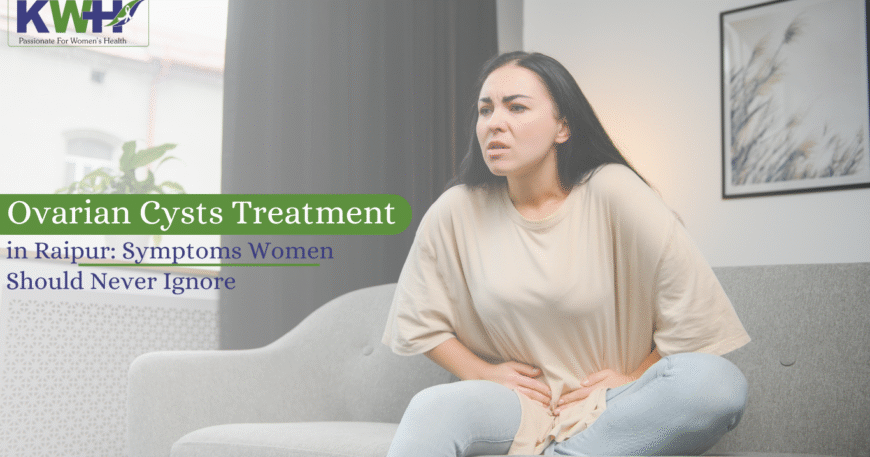
1. Persistent Lower Abdominal Pain
Women commonly mistake this for period cramps. But if the pain keeps returning, lasts longer than usual, or suddenly intensifies, it can indicate a growing cyst.
A real-world example is a woman who kept taking painkillers for months thinking it was normal period pain. When she finally visited the Best Doctor for Women in Raipur, her cyst was large enough to require immediate attention.
2. Bloating That Doesn’t Go Away
Hormonal bloating might come and go, but persistent bloating is one of the classic signs of ovarian swelling or cyst formation. It often feels like your stomach is full or stretched even when you haven’t eaten much.
3. Irregular Periods
This includes:
- Delayed cycles
- Very light or extremely heavy flow
- Spotting between periods
Women receiving Ovarian Cysts Treatment in Raipur often report menstrual irregularities as their first noticeable symptom.
4. Pain During Intercourse
Painful intimacy is a symptom many women feel embarrassed to talk about. But it’s one of the most commonly reported signs of ovarian cysts — especially endometriotic cysts.
A patient once shared how she thought she was the “only one” with this problem until she finally spoke to a gynecologist. Her clarity came only after visiting the Best Women Hospital in Raipur, where she finally received an accurate diagnosis.
5. Frequent Urge to Urinate
Large cysts can press against the bladder, making you feel like you constantly need to pee. If this sensation persists with no urinary infection present, it’s time to seek help.
6. Vomiting
This usually happens when a cyst grows too large or torsion occurs (twisting of the ovary). Symptoms like these require immediate medical attention.
7. Sudden, Sharp Pain in the Pelvic Area
This is one of the most important symptoms women should never ignore. A ruptured cyst or ovarian torsion can cause sharp, stabbing pain that needs emergency evaluation.

Why Early Diagnosis Matters
Experts handling Ovarian Cysts Treatment in Raipur agree on one thing — most complications happen due to delayed check-ups. Early detection helps prevent issues like:
- Ruptured cysts
- Severe internal bleeding
- Infertility complications
- Pelvic infections
- Ovarian torsion
A simple pelvic ultrasound can reveal cyst size, type, and whether it requires monitoring or treatment.
Types of Ovarian Cysts You Should Know
Understanding cyst types helps women make informed decisions when visiting a doctor.
1. Functional Cysts
These usually dissolve on their own and are the most common.
2. Dermoid Cysts
Benign but can grow large; experts at the Best Women Hospital in Raipur frequently treat these.
3. Endometriotic Cysts (Chocolate Cysts)
Common among women with endometriosis.
4. Hemorrhagic Cysts
Require monitoring due to internal bleeding.
5. Cystadenomas
Can grow extremely large and require medical supervision.
When Should You See the Best Doctor for Ovarian Cysts Treatment in Raipur?
Seek medical help if you experience:
- Severe pelvic pain
- Pain accompanied by fever
- Pain with vomiting
- Fainting or dizziness
- Rapid breathing
- Excessive bloating or abdominal swelling
Women often hesitate to seek help. But early consultation at a reliable Gynaecology Hospital in Raipur can prevent long-term health issues.
How Do Doctors Diagnose Ovarian Cysts?
The Best Gynecologist in Raipur typically uses the following diagnostic methods:
- Pelvic ultrasound (primary test)
- Blood tests to determine hormonal imbalance
- CA-125 test if cyst type is suspicious
- CT or MRI for complex cases
- Pelvic exam to detect abnormal swelling
These tests help ensure accurate diagnosis and safe treatment planning.

Treatment Options for Ovarian Cysts
Treatment varies based on size, type, and symptoms.
1. Watchful Monitoring
Small, functional cysts often disappear naturally within a few menstrual cycles. Regular scans help ensure they’re reducing in size.
2. Medication (Only When Prescribed)
Doctors may recommend certain medications to regulate hormonal balance. Always follow professional medical guidance.
3. Minimally Invasive Surgery
Laparoscopy is commonly used when cysts are:
- Large
- Causing pain
- Not resolving on their own
- Suspicious in appearance
4. Emergency Surgical Intervention
If a cyst ruptures or torsion occurs, emergency surgery becomes necessary. Facilities like Kamla Women Hospital, known as one of the Best Women Hospitals in Raipur, specialize in such critical cases.
Lifestyle Tips to Support Ovarian Health
While lifestyle changes can’t dissolve cysts, they can support reproductive wellness.
- Maintain a balanced diet
- Exercise regularly
- Track menstrual changes
- Get annual pelvic scans
- Avoid stress as much as possible
- Avoid self-medication
These simple habits can help reduce complications and lead to early detection.
FAQs
1. Are ovarian cysts dangerous?
Most aren’t. But some require treatment, especially if they grow or cause pain.
2. Can ovarian cysts affect fertility?
Certain types, like endometriotic cysts or repeated hemorrhagic cysts, may impact fertility.
3. How do I know if a cyst has ruptured?
Sudden, sharp pelvic pain, dizziness, vomiting, or fainting are major signs.
4. Do ovarian cysts always require surgery?
No. Many cysts resolve naturally. Surgical intervention is needed only when symptoms are severe or persistent.
5. Who is the Best Doctor for Ovarian Cysts Treatment in Raipur?
A gynecologist with strong expertise in cyst diagnosis and minimally invasive surgery is ideal. Hospitals like Kamla Women Hospital have specialists skilled in treating ovarian cysts safely.
Conclusion
Ovarian cysts are common, but ignoring symptoms can lead to serious consequences. Persistent abdominal pain, irregular periods, bloating, or painful intimacy are signs your body needs attention. Early consultation with the Best Doctor for Ovarian Cysts Treatment in Raipur can prevent complications and safeguard long-term reproductive health.
If you’re looking for trustworthy care, Kamla Women Hospital stands out as one of the Best Women Hospitals in Raipur, offering advanced diagnostic facilities, experienced gynecologists, and personalized support for women facing cyst-related concerns or other gynecological issues.
Taking control of your health today ensures a safer tomorrow. Don’t wait — listen to your body, seek timely help, and prioritize your well-being.
Ovarian Cysts Treatment in Raipur: Symptoms Women Should Never Ignore